Cute Girl Hoodie: A Designer’s Review for Branded Merch
As an embroidery designer who has spent years digitizing files for small businesses, I approach every new machine embroidery design with a critical eye. It is not just about whether a motif looks pretty on a screen; it is about how it performs in the real world of commercial production. When I first loaded the Cute Girl Hoodie file into my software, my immediate impression was one of approachable charm. This design does not scream corporate rigidity. Instead, it offers a friendly, artistic touch that aligns perfectly with brands looking to humanize their image. For business owners in the Beauty sector, boutique cafes, or handmade craft studios, this aesthetic can be a powerful tool for customer engagement.
First Impressions and Visual Personality
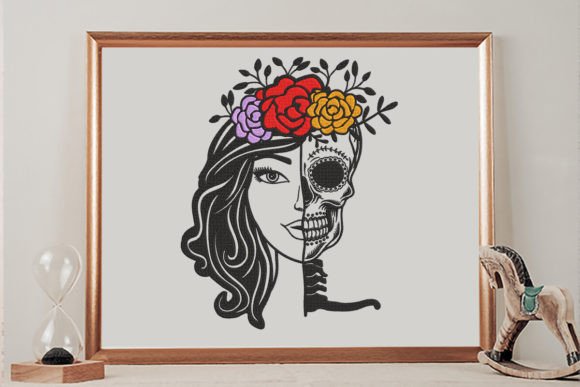
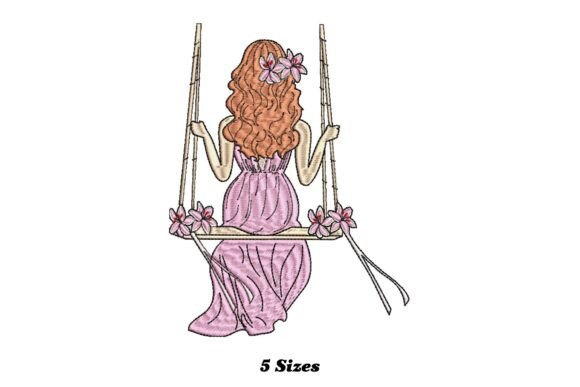
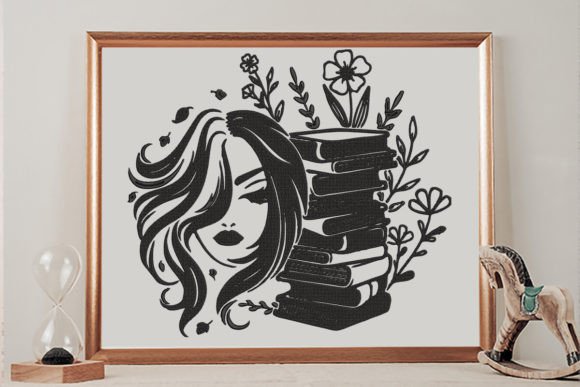
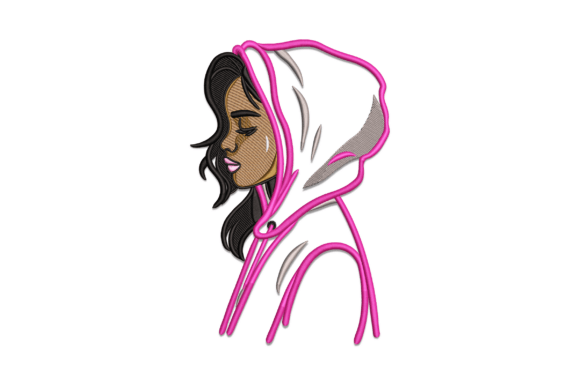
The title itself, Cute Girl Hoodie, suggests a playful and youthful vibe. Upon reviewing the stitch path and color transitions, the design feels decorative and cheerful rather than stark or industrial. In the context of Embroidery, this distinction matters. A design that is too rigid may feel out of place on a soft towel or a casual tote bag. This particular file appears to prioritize character, making it an excellent candidate for businesses that want to project warmth and creativity. It feels premium in its intent but accessible in its execution, striking a balance that is often difficult to achieve in digital assets.
Real-World Applications for Small Business Merch
For small business owners, versatility is key. You need a single digital embroidery file that can work across multiple product lines to maintain visual consistency without breaking the budget. Here is how I envision this design performing in various commercial scenarios:
- Branded Patches: This is perhaps the strongest use case. The design’s contained shapes make it ideal for an embroidered patch that can be ironed or sewn onto jackets, hats, or bags. Patches allow for inventory flexibility, as you can produce them in bulk and apply them to different garments as needed.
- Staff Uniforms and Aprons: For a local bakery, florist, or beauty salon, adding this motif to the chest pocket of an apron embroidery project adds a personal touch. It transforms a standard uniform into a piece of custom apparel that customers remember.
- Tote Bags and Accessories: The description mentions suitability for towels and home decor. I would extend this to tote bag design. A cheerful character on a canvas bag serves as walking advertising for your brand, appealing to eco-conscious shoppers who value handmade product aesthetics.
- Cap Embroidery: While possible, this requires careful placement. The curved surface of a cap demands a simplified version of the design to avoid distortion. If the original file is complex, consider using it on the side panel rather than the front center.
Technical Considerations and Production Notes
Before you commit to a large run of commercial embroidery, there are technical factors you must evaluate. The product description notes that it enhances fabrics with a dash of character, but it cuts off before specifying technical details like stitch count or exact file formats. This is a common occurrence with digital listings, so here is my professional advice:
First, always check the stitch density. If the design is too dense, it can cause puckering on lightweight fabrics like t-shirts or towels. Conversely, if it is too sparse, the fabric background may show through, ruining the visual impact on dark uniforms. You must test the design on the actual fabric you intend to use. Fabric texture plays a huge role; a rough linen will interact differently with the thread than a smooth polyester blend.
Second, consider the hoop size. Ensure the design fits within your machine’s maximum hoop capacity, especially if you plan to scale it up for larger items like throw pillows. If you are scaling down for small patches, verify that the details do not become indistinguishable blobs of thread. Tiny lettering or fine outlines often get lost at smaller sizes.
Third, never skip the stabilizer. For a design with this much character, using the correct stabilizer is non-negotiable. A cut-away stabilizer is usually best for garments that will undergo frequent washing, ensuring the design remains crisp and does not distort over time.
Impact on Brand Identity and Customer Trust
Why does the choice of a specific motif matter for your bottom line? Because it builds brand identity. When customers see a consistent, high-quality design on your small business merch, it signals professionalism. It shows that you care about the details. A well-executed Cute Girl Hoodie embroidery can increase the perceived value of a simple tote bag or t-shirt, allowing you to charge a premium for your finished product.
Moreover, in industries like beauty and handmade crafts, emotional connection drives sales. A cheerful, artistic design invites interaction. It makes your brand feel approachable and friendly. This visual consistency across your design assets, from your website’s printable mockup to the physical item in the customer’s hand, reinforces trust. Buyers are more likely to engage with a brand that presents a cohesive and thoughtful image.
Practical Steps Before Full Production
To ensure success with this design, follow these steps:
- Test in Black and White: Before committing to colorful threads, stitch out the design in black thread on white fabric. This helps you identify any issues with spacing or stitch direction without the distraction of color.
- Check Thread Color Contrast: If your brand colors are subtle, ensure the thread colors in the design provide enough contrast against the garment. A low-contrast design may look muddy from a distance.
- Create a Mockup: Use a printable mockup or digital overlay to show clients or stakeholders how the design will look on different items. This helps manage expectations and secure approval before stitching.
- Verify Licensing: Always confirm the commercial licensing terms of the embroidery file. Ensure you have the right to use it for selling physical goods, as some designers restrict usage to personal projects only.
In conclusion, the Cute Girl Hoodie design offers a versatile and charming option for businesses looking to add personality to their merchandise. By paying attention to technical details like stabilizer choice and fabric compatibility, you can transform this digital asset into a tangible driver of brand loyalty and sales. Whether used on a café apron or a boutique tote, it brings a necessary touch of warmth to the world of commercial embroidery.