Funny Cheese: A Designer’s Review for Boutique Apparel
As an embroidery designer who spends countless hours digitizing and testing files for boutique clients, I have developed a keen eye for what makes a machine embroidery design truly workable in a commercial setting. It is not just about the visual appeal; it is about how the design behaves on fabric, how it translates to different garments, and whether it adds genuine value to a finished product. Recently, I came across Funny Cheese on Creative Fabrica, and I wanted to share my professional assessment of how this piece fits into a modern apparel collection.
Visual Personality and Stitching Mood
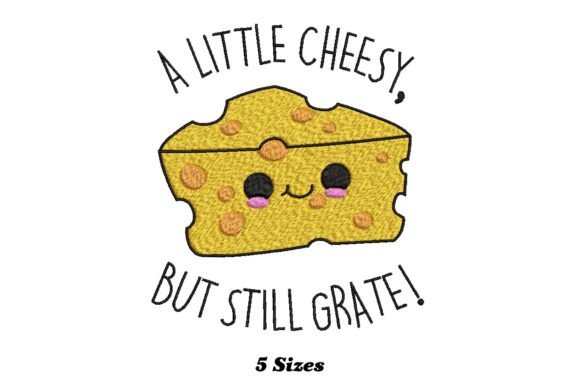
The first impression of Funny Cheese is one of playful charm. In the world of Food themed Embroidery, there is often a risk of designs looking too cartoonish or cheap. However, this design manages to strike a balance between whimsical and stylish. The visual personality is lighthearted, making it an excellent candidate for brands that want to project approachability and fun without sacrificing quality.
When examining the stitch structure, the design appears to have a decorative strength that suits casual wear. It does not feel overly dense, which is crucial for maintaining the drape of softer fabrics. The mood is distinctly cute and trendy, fitting perfectly into the current market demand for nostalgic and comfort-focused aesthetics. For a boutique brand, this means the design can serve as a standout feature on minimalist garments, adding a touch of flair without overwhelming the silhouette.
Performance on Sweatshirts and Hoodies
My primary test scenario involved preparing a small collection of sweatshirts and hoodies for an online shop. Sweatshirt embroidery requires careful consideration of fabric thickness and stretch. Funny Cheese performs admirably here. On neutral sweatshirts, such as heather grey or oatmeal, the design pops with a clean, crisp look. The contrast between the thread colors and the fabric texture creates a premium feel that elevates the garment from basic to boutique.
For hoodie designs, I recommend placing Funny Cheese on the left chest for a subtle, sophisticated accent. This placement is classic and allows the design to be seen without dominating the entire front panel. If you are working with pastel hoodies, the playful nature of the cheese motif complements the soft color palette beautifully. On dark apparel, such as navy or black fleece, ensure you use high-contrast thread colors to maintain visibility. The design also works well as a sleeve accent, offering a unique detail that customers love to discover.
Versatility Across Apparel Types
Beyond heavy knits, this embroidery file shows promise on lighter materials. For t-shirt embroidery, the key is stability. Since t-shirts are often made of thinner jersey knits, using the right stabilizer is non-negotiable. Funny Cheese can add a fanciful accent to oversized tees, creating a balanced look that appeals to younger demographics.
I also envision this design on denim jackets, where the sturdy fabric provides an excellent canvas for the stitches. The rustic vibe of denim pairs well with the food theme, creating a cohesive aesthetic. For tote bags, the design serves as a central focal point, turning a simple accessory into a statement piece. This versatility makes it a valuable asset for any custom apparel line.
Practical Considerations for Production
Before running a full production batch, there are several technical aspects to review. Although the product description notes that you can transform your fabrics with a touch of flair, it does not specify exact technical details like stitch count or hoop size. As a professional, I always advise confirming these details in the Creative Fabrica embroidery product listing before purchasing.
- Stabilizer Choice: For fleece and sweatshirts, a cut-away stabilizer is essential to prevent puckering over time. For woven fabrics like tote bags, a tear-away may suffice, but testing is key.
- Thread Color Contrast: Choose threads that complement the base fabric. For a premium look, consider using matte threads rather than shiny rayon, especially on cozy seasonal outfits.
- Hoop Size: Ensure your machine’s hoop size accommodates the design dimensions. Check the file details to see if it fits standard 4x4 or 5x7 hoops.
- Test on Scrap Fabric: Always stitch out a test sample on the same type of fabric you intend to use. This helps you adjust tension and check for any registration issues.
Pay close attention to areas that may stretch or wrinkle, such as curved surfaces on sleeves or ribbed fabric cuffs. Funny Cheese should be placed on stable areas of the garment to ensure longevity. Avoid placing it directly over seams or in areas with high tension during wear.
Enhancing Brand Identity and Value
For Etsy sellers and small shop owners, the right design can significantly impact buyer trust and product recognition. Funny Cheese offers a unique visual consistency that can help define a boutique brand. When used in lifestyle product photos, the design adds a layer of personality that resonates with customers looking for handmade products with character.
Using this digital embroidery file in your commercial embroidery projects allows you to create distinct merchandise that stands out in a crowded market. Whether you are creating printable mockups for your online store or showcasing finished products on social media graphics, the playful yet polished look of Funny Cheese enhances customer engagement. It signals that your brand pays attention to detail and offers something beyond generic mass-produced items.
Licensing and Commercial Use
One of the most important steps for any creative entrepreneur is understanding licensing. Before selling finished apparel featuring Funny Cheese, review the Creative Fabrica product details and licensing terms. Ensure that the license covers commercial use for physical goods. This due diligence protects your business and ensures you are operating within legal boundaries.
In conclusion, Funny Cheese is a versatile and charming addition to any embroidery designer’s library. Its ability to adapt to various fabrics, from fleece to denim, makes it a practical choice for diverse apparel projects. By paying attention to stabilizer choices, thread contrasts, and placement strategies, you can leverage this design to create high-quality, engaging products that resonate with your audience. Whether you are expanding your sweatshirt line or adding quirky accents to tote bags, this design offers the playful sophistication that modern consumers crave.