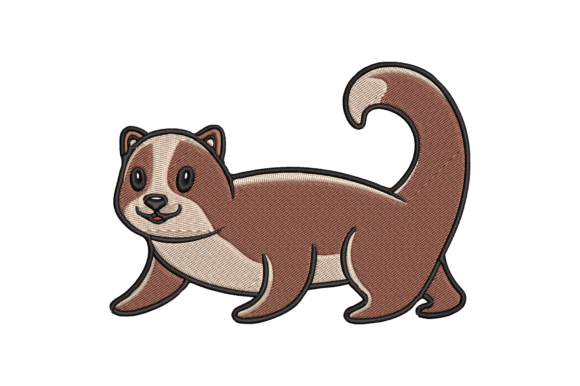
Funny Raccoon: A Practical Embroidery Review
As a designer who spends more time staring at stitch maps than actual fabric, I have learned to be skeptical of whimsical designs. The Funny Raccoon embroidery file caught my eye not because it was overly complex, but because it promised a specific mood: playful charm. In the world of Wild Animals themed Embroidery, it is easy to fall into the trap of generic clipart aesthetics. However, when I loaded this design into my software to evaluate its potential for real-world application, I saw something that could genuinely elevate a handmade product if handled with care.
First Impressions and Visual Personality
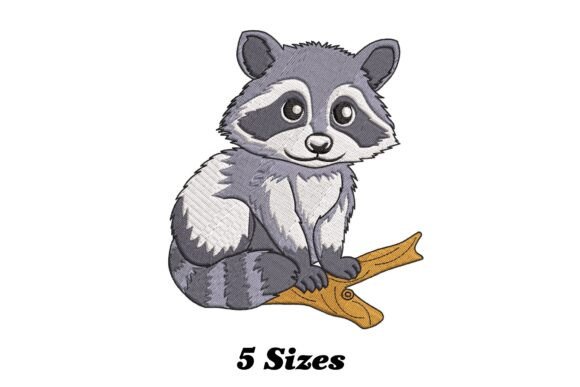
The initial view of the Funny Raccoon suggests a lighthearted approach. It does not attempt hyper-realism, which is often a mistake in machine embroidery due to the limitations of thread tension and fabric movement. Instead, it relies on bold shapes and expressive features. For an Etsy seller or a craft business owner, this is crucial. Customers browsing for a personalized gift are usually looking for character rather than photographic precision. The design’s layout feels balanced, avoiding the clutter that often plagues smaller hoop projects. It creates a visual personality that is approachable, making it ideal for items meant to bring a smile, such as children’s apparel or quirky home decor.
Real-World Application: The Tote Bag Test
To truly understand how a machine embroidery design performs, you must imagine it on a specific substrate. I visualized this raccoon on a natural canvas tote bag design. Canvas has a distinct weave, and the Funny Raccoon needs enough stitch density to cover the texture without sinking into the fabric. If the design uses primarily fill stitch areas, it should hold up well against the rugged nature of canvas. However, if there are fine details relying on running stitch outlines, they might get lost in the weave. This is where practical judgment comes in. For a small shop product, consistency is key. You want every bag to look identical, so testing the design on your specific blank inventory is non-negotiable.
Beyond tote bags, this design shines in custom apparel. Imagine it on the left chest of a heather grey sweatshirt embroidery project. The contrast between the dark raccoon features and the light fabric would create a crisp, professional look. It avoids the heaviness that can make sweatshirts feel stiff, provided the digitizer has optimized the underlay. For baby embroidery, such as a onesie or a burp cloth, the playful theme is perfect. Parents love animals that look friendly rather than fierce, and this design delivers that softness. However, baby items require extra attention to stabilizer choice to ensure the stitches do not irritate sensitive skin or pucker after multiple washes.
Navigating Fabric and Hoop Constraints
While the Funny Raccoon is versatile, it is not universal. There are specific scenarios where this design requires caution. First, consider hoop size. If you are working with a 4x4 inch hoop, you must ensure the design fits comfortably within the margins without hitting the hoop edges. Stretching the design to fit can distort the proportions, ruining the "funny" aspect by making the raccoon look elongated or squashed. Always check the dimensions in your embroidery software before hitting the stitch button.
Textured fabrics present another challenge. On a fluffy fleece or a thick towel, the details of the raccoon’s face might blur. In these cases, using a cut-away stabilizer is essential to provide a firm foundation. For dark fabric, thread color selection becomes critical. If the design relies on subtle shading, it may disappear on black or navy materials. I recommend creating a printable mockup or a digital preview with high-contrast thread colors to visualize the outcome. Sometimes, simplifying the color palette enhances the design’s impact, turning a complex image into a bold graphic statement.
Curved surfaces, like caps or hats, require a different approach. The Funny Raccoon must be centered perfectly on the front panel. Any misalignment is immediately noticeable. Additionally, the curvature can cause distortion if the design is too wide. For embroidered patch creation, however, this design could excel. Patches allow for dense stitching and sturdy backing, preserving the integrity of the design even after frequent washing and wear. This makes it a strong candidate for commercial embroidery projects where durability is paramount.
Commercial Viability and Brand Consistency
For digital product sellers and design assets creators, the value of this file lies in its adaptability. Does it work for a holiday embroidery collection? Perhaps paired with autumn leaves or pumpkins, the raccoon could become a seasonal bestseller. Does it fit a nursery theme? Yes, especially if rendered in pastel thread colors. The key to successful selling is brand consistency. If your shop specializes in minimalist designs, this playful raccoon might feel out of place. But if your brand is about whimsy and joy, it fits perfectly. Buyer engagement often hinges on how well a product tells a story, and this design tells a story of fun and lightheartedness.
When preparing this for sale as a finished product, consider the perceived value. A well-stitched Funny Raccoon on a high-quality towel looks premium. A poorly stitched one looks like a mistake. Trim your jump stitches cleanly, use high-quality thread that resists fading, and ensure your tension is balanced. These small details build customer trust and encourage repeat business. For printable mockups used in online listings, ensure the digital representation matches the physical reality. Misleading images lead to returns and negative reviews.
Practical Designer Notes
Before committing to a large production run or listing this as a new item, follow these practical steps:
- Test on scrap fabric: Always stitch a sample on the exact material you plan to use for the final product. This reveals issues with puckering or thread breaks.
- Check thread color contrast: View the design in black and white to ensure the shapes remain distinct without color reliance.
- Review stitch density: High density can cause fabric stiffness; low density may show the background fabric too much. Find the balance.
- Confirm hoop size: Ensure the design fits your available hoops without resizing that distorts the aspect ratio.
- Inspect small details: Zoom in on the eyes and nose. Are the stitches too small to form properly? Adjust if necessary.
- Verify licensing: If you are an Etsy seller or running a craft business, confirm that the digital embroidery file license allows for commercial use of finished items.
In conclusion, the Funny Raccoon is a solid addition to any designer’s library, provided it is used with intention. It bridges the gap between cute and professional, offering a versatile option for everything from kitchen towels to caps. By respecting the technical limitations of machine embroidery and understanding your target audience, you can transform this simple design into a standout product. Remember, the best embroidery is not just about the stitch count; it is about the joy it brings to the person wearing or using the item. Keep your stabilizer handy, your threads fresh, and your creativity open.